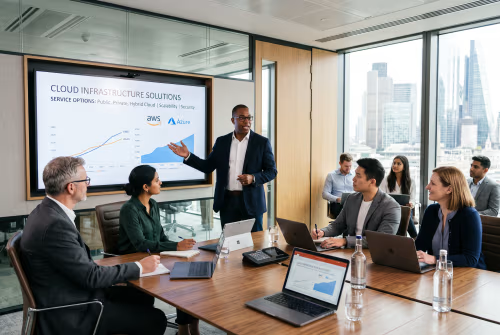
Legacy system modernization is crucial for businesses aiming to stay competitive in today's fast-evolving technological landscape. Many companies still rely on outdated systems that can hinder growth and efficiency. This article will explore the importance of modernizing legacy systems, discuss effective strategies, and provide insights into application modernization.
Legacy system modernization involves updating or replacing outdated systems to improve performance, security, and compatibility with modern technologies. These systems often form the backbone of a company's operations, but they can become a liability if not updated. Modernization strategies can include cloud migration, application modernization, and integration.

To successfully modernize legacy systems, businesses should consider the following strategies:
Before initiating a modernization project, it's essential to evaluate the existing system. This assessment helps identify which parts of the system need updating and which can be retained.
Cloud migration is a key component of modernization. It allows businesses to move their operations to the cloud, ensuring better scalability and flexibility without downtime.
Updating legacy applications is crucial for improving user experience and system efficiency. This process may involve rewriting legacy code or integrating new technologies.
Incorporating AI can enhance system capabilities, automate processes, and provide valuable insights into business operations.
A clear roadmap outlines the steps and timeline for modernization, ensuring that the project stays on track and within budget.
While modernization offers numerous benefits, it also presents challenges:
Modernization projects can be expensive, requiring significant upfront investment.
Transferring data from old systems to new ones can be complex and time-consuming.
Employees may resist changes to familiar systems, requiring effective change management strategies.
When implementing modernization initiatives, consider the following:

Are you a business with 20 or more employees looking for a solution to modernize your legacy systems? Our team at Alcott Enterprises specializes in providing comprehensive legacy system modernization services tailored to your needs.
We understand the challenges and opportunities involved in modernization efforts. Let us help you transform your outdated systems into modern, efficient solutions. Contact us today to learn more about how we can support your modernization journey.
What are the benefits of legacy system modernization? Legacy system modernization offers numerous benefits, including improved efficiency, enhanced security, and increased scalability. By updating outdated systems, businesses can reduce maintenance costs and gain a competitive advantage. Modernization strategies often involve cloud migration and application modernization, helping streamline operations and improve the user experience.
How does cloud migration without downtime work? Cloud migration without downtime requires careful planning and execution of data and application migration. This process typically includes several phases, such as data migration phases and testing, to ensure a smooth transition. By minimizing disruptions, businesses can maintain core operations available and ensure system uptime in nanoseconds.
What are common challenges in modernization strategies? Common challenges in modernization strategies include high initial costs, complex data migration, and resistance to change. Businesses must carefully plan and execute their modernization efforts to overcome these obstacles. Engaging experienced partners and focusing on user experience can help ensure a successful modernization project.
How can AI enhance legacy system modernization? AI can play a significant role in legacy system modernization by automating processes, enhancing system capabilities, and providing valuable insights. By integrating AI into modernization strategies, businesses can improve efficiency and decision-making. AI technologies can also help optimize application modernization efforts, making systems more responsive and adaptable.
What is the importance of a modernization roadmap? A modernization roadmap is crucial for guiding the modernization journey. It outlines the steps, timeline, and resources required for successful modernization. By having a clear roadmap, businesses can ensure that their modernization initiatives stay on track and within budget. This approach helps manage risks and align modernization efforts with business goals.
How do modernization services support businesses? Modernization services provide businesses with the expertise and resources needed to update legacy systems effectively. These services often include cloud migration, application modernization, and AI integration. By partnering with experienced providers, businesses can navigate the complexities of modernization and achieve successful outcomes.