
Network cabling services are essential for businesses looking to establish a reliable and efficient communication infrastructure. Whether you're setting up a new office or upgrading an existing system, understanding the components and benefits of network cabling is crucial. In this article, we'll explore the basics of network cabling, the steps involved in installation, and the advantages of using structured cabling systems.
Network cabling services involve the design, installation, and maintenance of network cables that connect various devices within a business. These services ensure that data is transmitted efficiently and securely across the network. A well-designed cabling system can support a wide range of applications, including voice, data, video, and multimedia. By using industry standards, businesses can ensure compatibility and scalability for future growth.
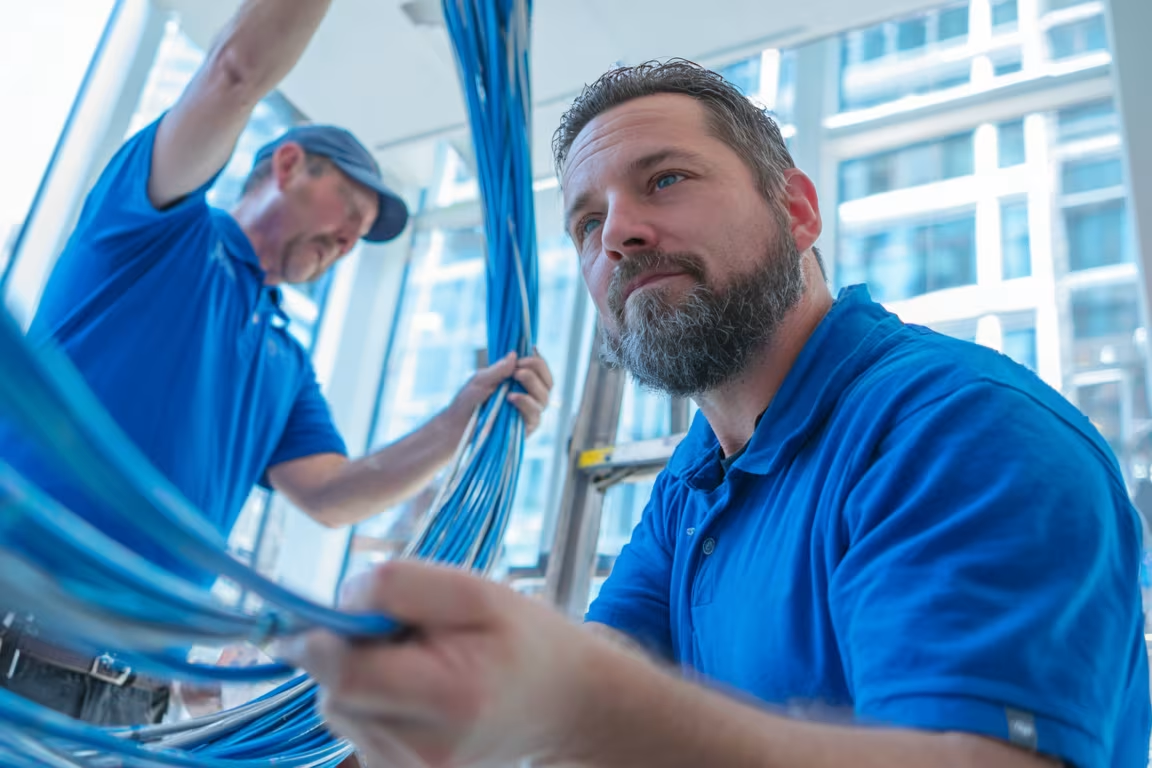
A successful network cabling installation requires careful planning and execution. Here are the key steps involved:
Before starting the installation, it's important to assess your business's specific needs. Consider the number of devices, the type of data being transmitted, and the future growth of your network. This assessment will help determine the type and quantity of cables required.
Designing a network layout involves mapping out the physical locations of devices and the pathways for cables. This step ensures that cables are routed efficiently and that there is minimal interference from other electronic devices.
Selecting the appropriate cables is crucial for optimal performance. Options include Cat6, Cat6a, and fiber optic cables, each offering different levels of speed and bandwidth. The choice depends on the specific requirements of your network.
Once the design and cable selection are complete, the installation process begins. This involves running cables through walls, ceilings, and floors, and connecting them to network equipment. Proper installation ensures minimal signal loss and interference.
After installation, it's essential to test the network to ensure that all connections are secure and functioning correctly. Testing helps identify any issues that need to be addressed before the network goes live.
Structured cabling systems offer several advantages for businesses:

Fiber optic cables are becoming increasingly popular in network cabling services due to their high-speed data transmission capabilities. These cables use light to transmit data, resulting in faster speeds and greater bandwidth compared to traditional copper cables. Fiber optic cables are ideal for businesses that require high-performance networks, such as data centers and companies with large data transfer needs.
When implementing network cabling solutions, consider the following practical aspects:
Determine your budget for the cabling project and prioritize essential components. Balancing cost with quality ensures a reliable network without overspending.
Plan for future growth by selecting scalable solutions that can accommodate increased data demands and new technologies.
Ensure that your network cabling installation complies with industry standards to guarantee compatibility and performance.
Take into account environmental factors such as temperature, humidity, and potential interference when designing and installing your network.
Hiring experienced technicians for installation services ensures that your network is set up correctly and efficiently, reducing the risk of future issues.
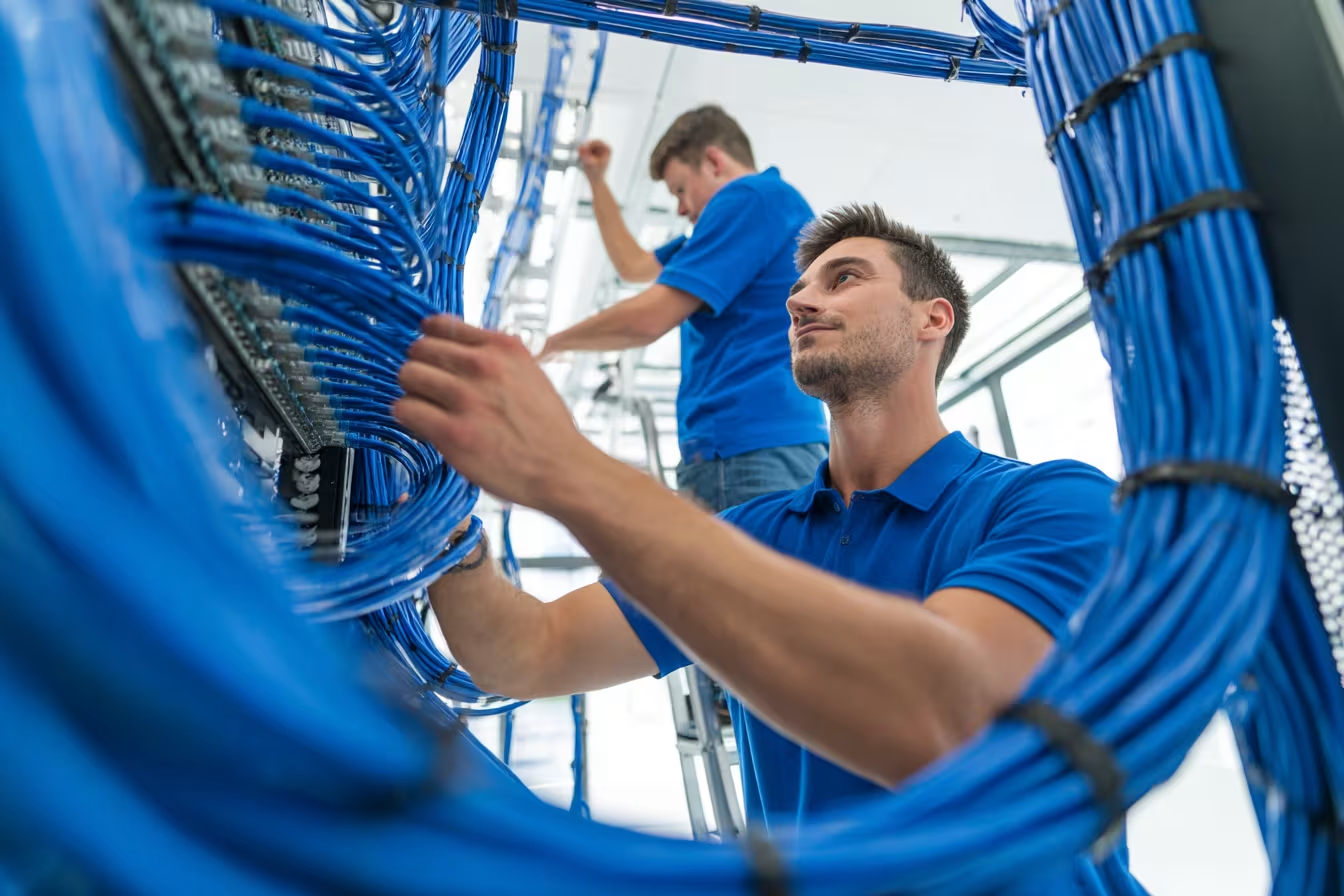
Implementing network cabling can present several challenges:

Are you a business with 20 or more employees looking for reliable network cabling solutions? Our team at Alcott Enterprises specializes in providing comprehensive network cabling services tailored to your specific needs. We understand the challenges growing businesses face and are here to help you build a robust network infrastructure.
At Alcott Enterprises, we offer expert network cabling installation services to ensure your network is efficient and scalable. Contact us today to learn how we can assist with your network cabling needs and support your business's growth.
Cat6 and Cat6a cables are both types of network cables used in structured cabling systems. Cat6 and Cat6a differ primarily in performance and distance, with Cat6a (Augmented) offering superior 10 Gbps speeds up to 100 meters, double the bandwidth (500 MHz), and better shielding against crosstalk compared to Cat6, which hits 10 Gbps only up to 55 meters. Cat6 is often preferred for shorter home runs, while Cat6a is ideal for future-proof, long-distance, or high-density installations.Cat5e cables support speeds up to 1 Gbps, while Cat6 cables can handle speeds up to 10 Gbps over short distances. The choice between the two depends on your network's speed requirements and budget.
Selecting a network cabling contractor involves evaluating their experience, reputation, and ability to meet your specific needs. Look for contractors with a proven track record in network cabling solutions and a commitment to quality and customer satisfaction.
Fiber optic cables offer several advantages, including higher data transmission speeds, greater bandwidth, and resistance to electromagnetic interference. These benefits make fiber optic cables ideal for businesses with high-performance network requirements.
To ensure reliable network cabling installation, hire experienced technicians who follow industry standards and best practices. Proper planning, design, and testing are also crucial for a successful installation.
A structured cabling system includes network cables, patch panels, connectors, and network equipment. These components work together to create a reliable and efficient network infrastructure.
Regular maintenance of your network cabling system involves inspecting cables for damage, ensuring connections are secure, and updating network equipment as needed. Proper maintenance helps prevent downtime and ensures optimal network performance.